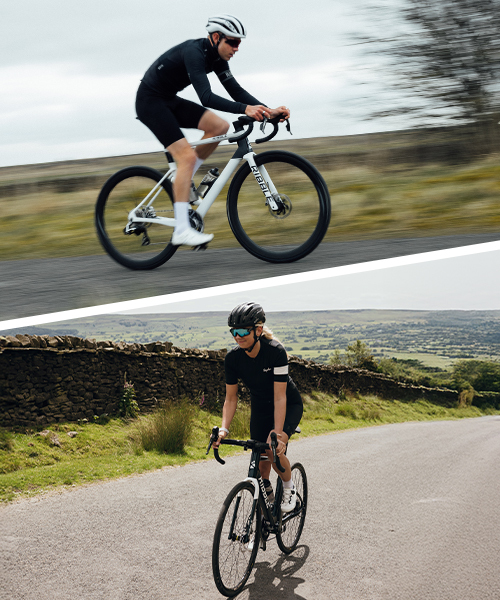
Electric Road Bike vs Road Bike – What’s the Difference?
Electric road bike vs road bike: what’s the real difference? We cut through the myths and show how e-road bikes stack up against traditional road bikes, rider to rider.
Many riders still ask the question: What’s the real difference between an electric road bike and a normal road bike? It’s a fair one. For years, e-bikes were dismissed as heavy, expensive or “not proper cycling.” Add in the confusion over legality, and it’s no wonder some people hesitate.
We’re here to clear it up. This isn’t marketing fluff. Just a straight-talking comparison between electric road bikes and traditional road bikes. We’ll show you where each bike excels, debunk the myths, and help you decide which one fits your riding style.
What Is an Electric Road Bike?
An electric road bike (often called an e-road bike) is, at its heart, still a road bike. They still have drop bars, slim road tyres and lightweight frames. The difference is the addition of a compact motor and battery to provide pedal-assist.
In the UK, the assist cuts out at 15.5mph. That’s the law. You’re still pedalling, but the motor simply adds support up to the limit. No throttle, no “sit back and cruise.” Just a boost when you need it. That’s what makes an e-road bike a road-legal electric bike, with no license, tax or insurance required.
At Ribble, we’ve designed our e-road range to ride like proper bikes first. The frames are sleek and the carbon is light, with batteries hidden in the downtube. From a distance, you’d never know they were e-bikes. Our mantra is smiles per kilo: the perfect balance of low weight, smart range and the feel of a real road bike.
Forget clunky motors or obvious battery packs. These are lightweight electric bikes that look, feel and handle just like the bikes you already ride.
Key Similarities Between Road and Electric Road Bikes
The key point to emphasise is that an electric road bike is still a road bike at its core. Geometry is near-identical. It features the same aggressive lines as racing models, along with the same endurance position for all-day comfort. If you’ve ever ridden a road bike, an e-road feels instantly familiar.
Components are also shared, along with the groupsets, wheels, tyres, and finishing kit. Many Ribble e-road models run the same Shimano or SRAM set-ups as our standard road bikes. That means braking, shifting, and handling are what you expect.
On the road, most people wouldn’t even notice you’re on an e-bike. We hear it all the time from customers: “I joined a group ride, nobody realised until I mentioned it.” That’s how stealthy they are.
So, in terms of looks, feel, and ride, there’s more overlap than difference. You get the same joy of carving through corners and the same buzz of speed. The motor just widens the scope of what’s possible.
Key Differences – Power, Weight and Range
Here’s where things split.
Power
- A road bike is 100% leg-driven. Your watts, your output, your engine. An e-road bike adds pedal-assist to smooth climbs, headwinds or fatigue. But it’s not unlimited, as the motor stops helping at 15.5mph. But in those moments where you’d normally grind, the bike feels alive.
Weight
- This was once a significant obstacle. E-bikes were often twice the weight of their non-electric cousins. But with Ribble’s carbon monocoque frames and compact motors, some e-road models come in as low as 11.8kg. That’s firmly in the “lightweight electric bike” bracket. For context, many mid-range disc road bikes weigh a similar amount.
Range
- On a standard road bike, your range is defined by legs and fuelling. On an e-road bike, it’s both you and the battery. Ribble’s systems provide up to 100 miles of assistance, depending on the mode, terrain, and rider input. Use it wisely and it’ll get you through long days, tough climbs or epic commutes.
Scenario
- Picture climbing the same hill twice. On a normal road bike, it’s all about pacing and power output. On an e-road bike, you still pedal and still work, but the motor smooths out the gradient. You crest the top fresher, ready for more.
Legality and Rules
One of the most common questions is: Are electric road bikes legal on UK roads?
The simple answer is yes, if it meets the definition of an EAPC (Electrically Assisted Pedal Cycle). That means:
- Pedal-assist only (no throttle that moves the bike without pedalling)
- Motor rated at 250W or less
- Assistance stops at 15.5mph
Stay within that, and you have a road-legal e-bike. You don’t need a license, tax, insurance or registration to ride. It’s treated the same as any other pedal cycle. (Gov.uk confirms)
All Ribble electric road bikes are built and tested to these standards. So, you can ride them on roads, cycle paths and lanes with full peace of mind. No grey areas, no red tape. Just proper bikes with something extra.
Which Is Best for You?
So, should you ride a traditional road bike or an e-road bike? The answer depends on your goals.
Why choose a standard road bike?
- Lowest possible weight for climbing or racing
- Pure rider-powered challenge
- Simplicity: no charging, no range to consider
Why choose an electric road bike?
- Extend rides further with the same effort
- Conquer climbs you’d normally avoid
- Arrive fresher on commutes or sportives
- Keep riding through injury, illness or age
Examples
- A sportive rider wants to stay with their group all day and finish strong. An e-road bike makes it possible without overcooking their legs.
- A commuter battling headwinds in winter appreciates the boost that keeps arrival times consistent.
- Someone coming back from a knee injury finds an e-road bike a safer, more controlled way to rebuild fitness.
It’s not about one being “better” than the other. It’s about what gets you out riding more often and enjoying it.
FAQS
Are electric road bikes legal in the UK?
Yes. If they meet EAPC rules: pedal-assist only, 250W motor limit, and cut-off at 15.5mph. Ribble e-road bikes are fully road legal and fit within this category.
How heavy is an electric road bike?
It depends. Many brands sit between 15 and 20kg. Ribble models can be as light as 11.8kg, which is comparable to some disc-equipped road bikes.
Can you ride an e-road bike without the assistance?
Absolutely. The motor disengages above 15.5mph anyway, and you can ride with assistance off. Thanks to their low weight, Ribble e-road bikes still feel like traditional road bikes, whether powered or not.
What is the difference between an e-road bike and a normal road bike?
Very little. They share the same geometry, handling and components. The difference is a discreet motor and battery that adds pedal-assist. One relies solely on pure leg power, while the other provides a boost when needed.
Are electric road bikes good for training?
Yes. They let you control effort more precisely, add volume without overtraining, or complete recovery rides in zone. Many athletes now use them as smart training tools.
Conclusion
The difference between an electric road bike and a normal road bike isn’t as big as people think. They look and ride alike. The only change is a discreet motor that helps you push further, climb stronger, or ride when you otherwise wouldn’t.
Ribble’s lightweight, stealthy electric road bikes break down barriers without changing what makes road cycling great. They’re proper bikes, with something extra.
Want to explore? Take a look at our Electric Road Bikes or head to the Electric Bikes page for the full range.
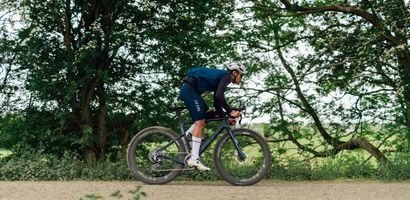
What is a Gravel Bike?
Gravel bikes are changing how people ride. Sitting right in the middle of road and off-road, they're fast on tarmac and stable on loose ground. Comfortable over long distances and ready for whatever the ride throws at you.
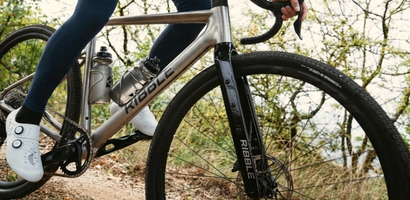
Tyre Choice and Pressures for UK Gravel
Tyres can make or break your gravel ride. This blog cuts through the guesswork on width, tread and pressure, showing you what actually works for UK conditions.
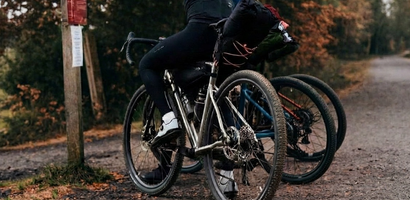
Getting the right set up is half the battle
Getting your gravel bike set up right is the difference between enjoying the ride and counting down the miles. This blog breaks down the key adjustments that actually matter, from saddle height to bar position and tyre pressure, without drowning you in jargon.

Why Gravel Riding Works In February
February gravel isn’t about hero rides. It’s about quiet trails, mixed surfaces and riding for the sake of it. This blog dives into why Ribble staff and the Outliers keep choosing gravel when winter drags on, from traffic-free routes to bikes built to handle proper UK conditions.
Post Ride Checks That Keep Your Gravel Bike Running
Winter wrecks bikes. This blog shows you how to fight back in five minutes flat. No tools, no faff. Just the simple checks that stop small issues turning into expensive problems. From wiping down grit to spotting tyre cuts and keeping your chain alive, it’s the bare minimum that makes a massive difference. Ride more. Fix less. Your future self will thank you.
Winter Gravel Clothing Guide
Winter gravel isn’t about suffering. It’s about turning up and staying comfortable. This guide shares no-nonsense kit advice from Ribble staff and the Outliers on what actually works in a UK February.
When To Service Your Bike? A Practical Guide for Every Rider
Looking after your bike doesn’t start and end with a clean after riding. Regular servicing keeps it working at its best, no matter how often you ride. The tricky part is knowing when a service is needed. Too early feels unnecessary. Too late and the problems have already crept in. This guide breaks it down simply so you can ride more and worry less.
Best Road Bikes 2026
A clear guide to choosing the right road bike for how you actually ride, cutting through the noise to explain what actually makes a road bike ‘the best’ in 2026.

Shimano 105 - The GOAT Groupset?
Shimano 105 is the groupset riders trust when they want pro-level performance without the pro-level price. With both mechanical and Di2 options now available, it might just be the GOAT. Here’s why.

Electric Road Bike vs Road Bike – What’s the Difference?
Electric road bikes deliver the same ride, handling and thrill as traditional road bikes, just with a discreet boost that helps you go further, faster, and ride more often.
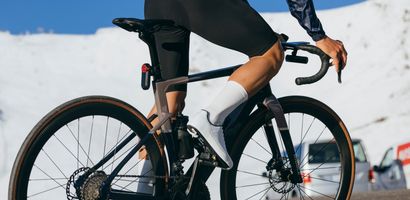
How Far Can an Electric Bike Go? Range, Batteries & Real-World Tips
“How far can an electric bike really go?” In this guide, we’ll break down exactly what determines e-bike range, share practical tips to make every charge go further, and show how Ribble’s electric bikes compare in real-world conditions.
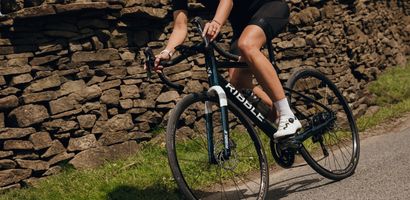
Are e-bikes Just for Old People? Myths Debunked
Think e-bikes are just for old folks, or perhaps you feel e-bikes are cheating? Think again. We’re busting the biggest myths holding riders back from discovering what e-bikes really offer.